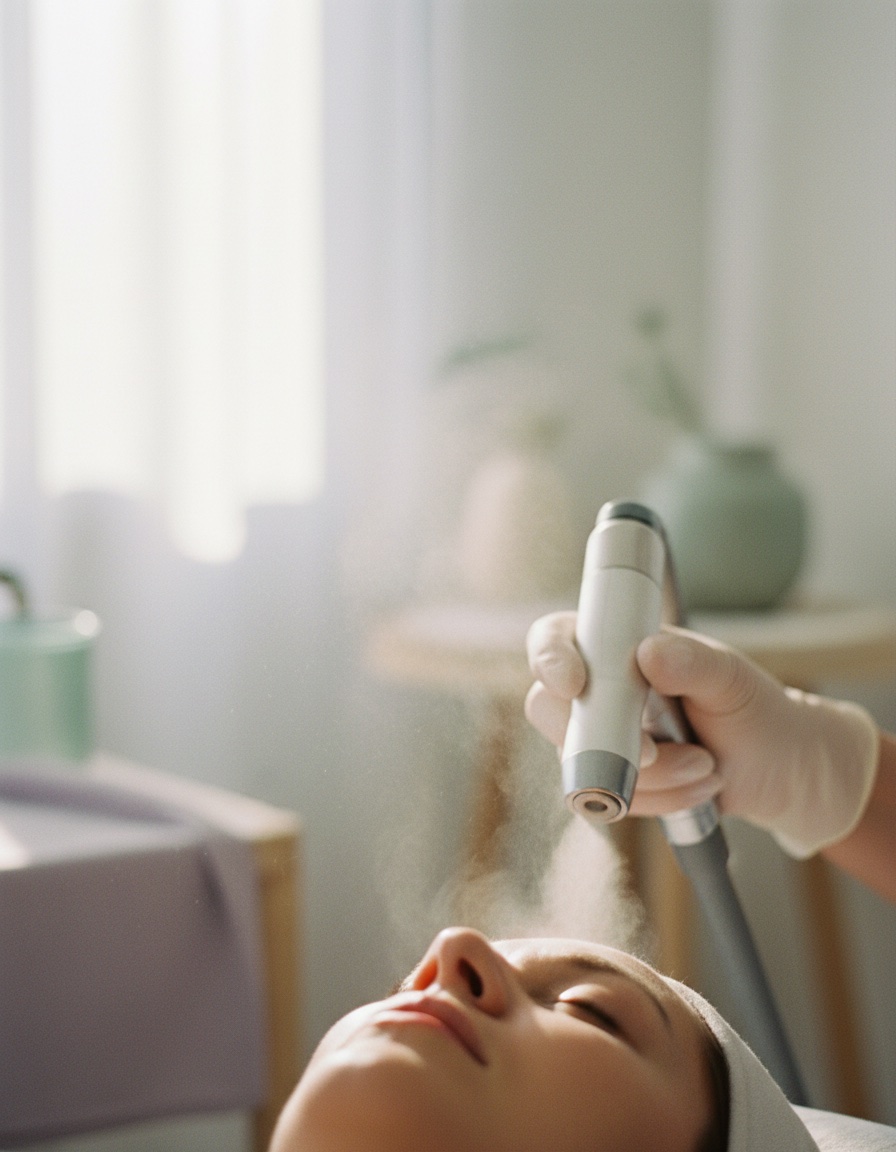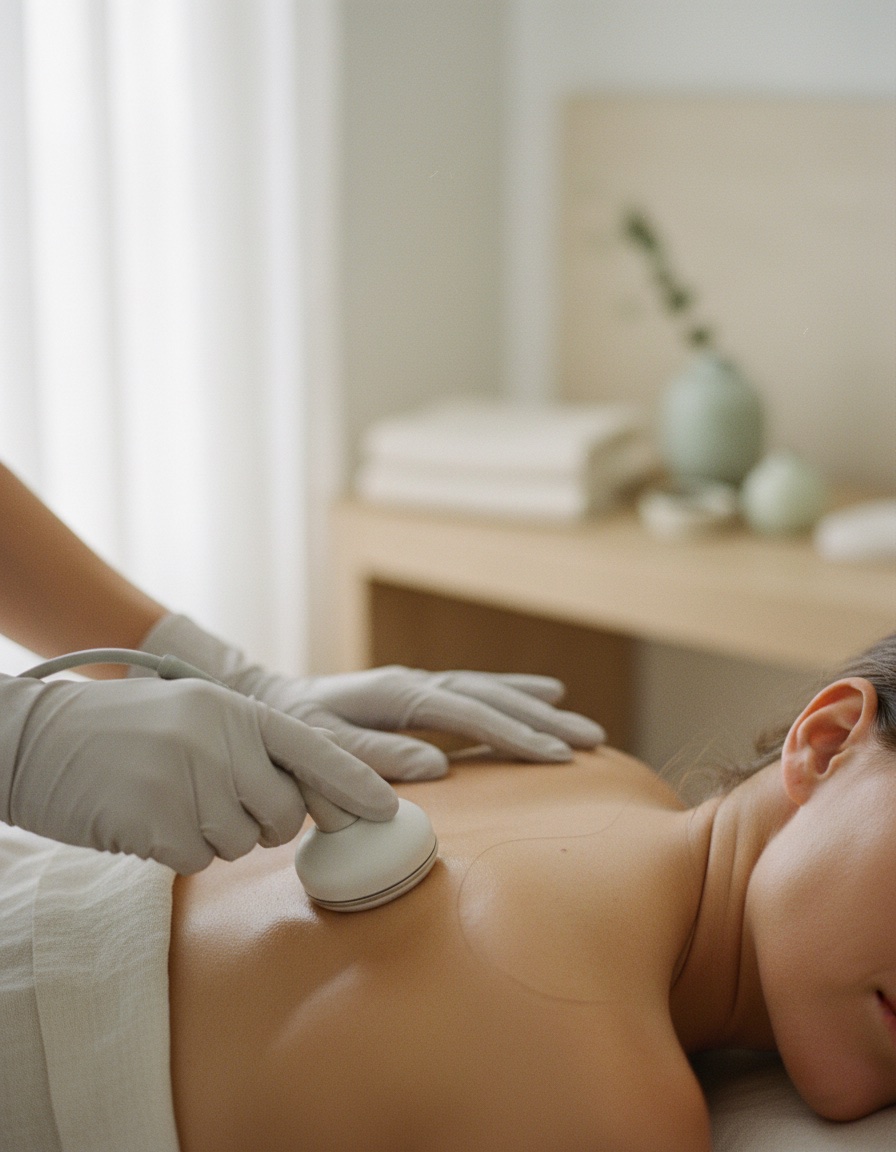
"Whole-person care" is one of those phrases that can sound lovely and mean very little. So it's worth being plain about it. Whole-person care means looking beyond a single complaint to the person living with it — your history, your habits, your stress, your sleep, the life you're actually leading. It treats a symptom as part of a bigger picture, not the whole story.
It isn't an alternative to good medicine. It's good medicine, paying attention. And in a city like Dubai — fast-paced, sun-bright, full of people building new lives far from home — that kind of attention can be quietly reassuring.
The Gap Most of Us Have Felt
Modern healthcare is brilliant at fixing the specific. A clear diagnosis, the right treatment, a fast result — these are real gifts, and we never take them for granted. But care organised around a single problem can sometimes miss the connections: the headaches that ease when sleep improves, the back pain that softens with movement, the low mood that lifts when something underneath is finally heard.
None of that means the medicine was wrong. It often means there was simply more to the picture. Whole-person care is an effort to keep that fuller picture in view — without losing the rigour of evidence-based practice.
It treats a symptom as part of a bigger picture — not the whole story.
What It Looks Like in Practice
In day-to-day terms, whole-person care tends to start with listening — a conversation before a conclusion. From there, it might draw on conventional medicine, supportive therapies, movement, or simply better everyday habits, in whatever combination genuinely fits you. The aim is never to add more for its own sake. Often the most caring step is a smaller, calmer one.
Conventional and complementary approaches can sit side by side here — a doctor and a wellness practitioner who can talk to each other, working toward the same goal. Complementary therapies aren't offered as cures, and they don't replace medical advice; they're considered as gentle support alongside it, where appropriate for you. When something needs a clinician, you're guided to one.
 Related treatment The MENLA Scan A calm, whole-person wellness assessment that can help map where to begin — a gentle starting point, never a diagnosis. Learn more →
Why One Calm Roof Helps
When all of your care lives in one place, the conversations get easier. Notes are shared, practitioners coordinate, and you don't have to repeat your story to each new face. For many people — especially those new to Dubai and building care from scratch — that continuity is the most reassuring part of all.
It also slows things down in a good way. Calm pacing, unhurried appointments, and clear next steps can lower your shoulders before a single treatment begins. We think of calm as the first treatment.
Whole-person care never replaces timely medical attention. If a symptom is new, severe, or persistent, please speak with a doctor — a conversation is always a good place to begin, and our team can help you find the right one.
How to Begin
You don't need to know exactly what you need — that's rather the point. Whole-person care starts with a conversation, and the next step is simply to have one. We'll listen first, and together work out what, if anything, makes sense for you.
If you're curious how this works across our departments, you can explore our care or read more about why we began.